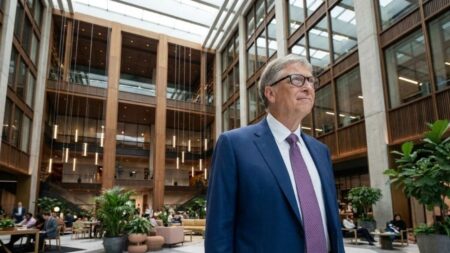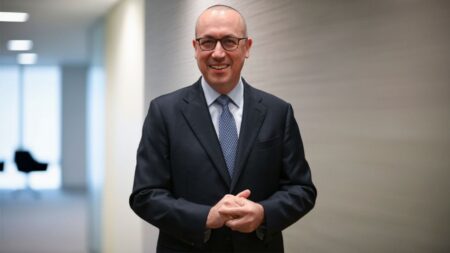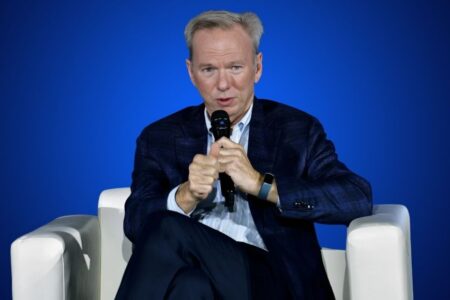



Suntory Holdings Chairman Takeshi Niinami resigned after a police search linked to supplements suspected of containing cannabis compounds, though no illegal drugs were found.
Police Investigation and Search in Tokyo
Japanese beverage giant Suntory Holdings confirmed that its Chairman and CEO Takeshi Niinami stepped down following a police probe tied to cannabis-related suspicions. Authorities conducted a search of his luxury apartment in Tokyo and collected samples after questions were raised about supplements he had purchased. Investigators suggested the products might contain THC, a cannabis-derived substance banned under Japanese law. However, according to police, no illegal drugs were detected in the apartment or in the medical tests.
Niinami has told colleagues that he bought the supplements with the belief they were legal, explaining that he had no intention of violating the law. The case remains under review as investigators examine whether his actions could lead to any criminal liability.
Suntory’s Response and Corporate Governance
In a statement, Suntory described the issue as a “serious governance matter,” noting that corporate leaders must demonstrate full compliance with regulations, especially in sensitive areas such as health products. The company emphasized that the resignation was the result of a careful assessment by the board and reflected its responsibility to maintain trust with consumers and stakeholders.
The decision underlines Japan’s strict corporate culture, where reputational risks can quickly turn into institutional crises. Even though no charges have been filed, Suntory officials said that Niinami’s continued leadership would have been unsustainable under the circumstances.
Niinami’s Career and Broader Influence
At 66, Takeshi Niinami is one of Japan’s most prominent executives. He became CEO of Suntory in 2014 after leading the convenience store chain Lawson. Importantly, he was the first leader from outside the founding family to take charge of the group. In March 2025, he was appointed Chairman of the Board.
Beyond Suntory, he also heads the Japan Association of Corporate Executives (Keizai Doyukai) and serves on the government’s Council on Economic and Fiscal Policy, offering advice to Prime Minister Shigeru Ishiba. His resignation has therefore been seen as a significant moment not only for Suntory but also for Japan’s broader business community.
Suntory’s Global Standing
Founded in 1899 in Osaka, Suntory has grown into one of the world’s largest beverage companies, operating more than 265 subsidiaries and employing over 41,000 people worldwide. Its product portfolio includes well-known brands such as Boss coffee, Iyemon green tea, The Premium Malt’s beer, and Yamazaki whisky.
In 2014, Suntory expanded internationally with the acquisition of U.S. bourbon maker Jim Beam, cementing its position as a leading global spirits producer. In fiscal year 2024, the group reported revenues of 3 trillion yen (approximately 20.8 billion U.S. dollars) and a profit of around 330 billion yen.
Cultural and Business Implications
In Japanese corporate culture, personal accountability is often expected even before legal outcomes are finalized. By stepping down swiftly, Niinami aligned with this tradition, aiming to shield the company’s reputation and reinforce governance standards. While the investigation continues, Suntory’s next leadership transition will be closely watched, both domestically and abroad, given the company’s role in the global beverage industry.